
2026’s second half is shaping up as a mix of sequels, book adaptations, and real-life dramas—with witches, dystopias, and thrillers leading the way. After a strong first half that included Wuthering Heights, Obsession, and The Devil Wears Prada sequel, the next few months deliver a slate that leans into nostalgia, moral dilemmas, and speculative fiction. The year kicked off with standout releases like The Moment, Marty Supreme, and Timothée Chalamet’s never-ending press circuit, which kept him in headlines long after filming wrapped.
The most anticipated return is Practical Magic, the 1998 witchy classic, getting a sequel on September 10. Nicole Kidman and Sandra Bullock reprise their roles as the Owens sisters, now joined by Maisie Williams and Joey King. The film follows them as they attempt to break a generations-old curse plaguing their family—a plot that blends dark humor with supernatural stakes.
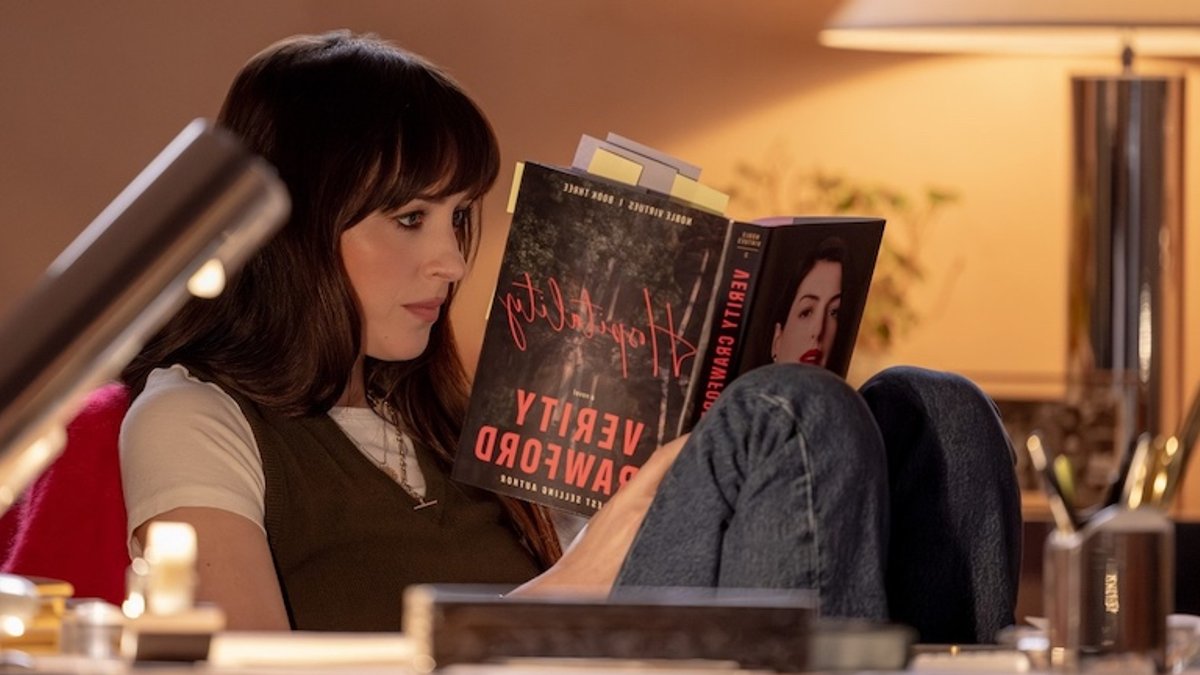
Verity, based on Colleen Hoover’s bestselling novel, arrives October 1 with Anne Hathaway and Dakota Johnson. The thriller centers on a struggling writer tasked with finishing a bestselling author’s unfinished books, only to uncover unsettling secrets. The trailer teases jump scares and psychological tension, positioning it as a modern take on the “unreliable narrator” trope.
Read Also: Australian Designers Launch New Bridalwear Collections
Real-Life Whistleblowers and Ethical Dilemmas
Meanwhile, The Social Reckoning (October 15) shifts from fiction to reality, chronicling Facebook whistleblower Frances Haugen’s leak of internal documents to The Wall Street Journal in 2021. With Mikey Madison, Jeremy Strong, and Jeremy Allen White in the cast, the film examines the ethical costs of social media’s unchecked growth—a companion piece to The Social Network that feels eerily timely.
For something lighter, Sense and Sensibility (October 22) offers a fresh take on Jane Austen’s novel, with Daisy Edgar-Jones and Esmé Creed-Miles as the Dashwood sisters. Directed by Georgia Oakley and scripted by Australian novelist Diana Reid, the film promises period-drama elegance without the usual romantic clichés. Empire-waisted gowns and bonnets are guaranteed.
Klara and the Sun (October 29), Taika Waititi’s adaptation of Kazuo Ishiguro’s Nobel-winning novel, arrives next. Jenna Ortega stars as Klara, an Artificial Friend waiting in a store for a family to choose her, a quiet, melancholic sci-fi story about loneliness and human connection. The film’s tone contrasts sharply with the year’s darker thrillers, offering a moment of reflective sci-fi. Waititi’s direction has been praised for maintaining the novel’s subtle emotional depth, with Ortega’s performance drawing comparisons to her work in Wednesday for its quiet intensity.
Franchises and Prequels Reshape Iconic Worlds
A more controversial entry is Primetime (no Australian date yet), starring Robert Pattinson as To Catch a Predator host Chris Hansen. The film explores the moral gray areas of the show’s sting operations, which lured suspected child predators into confessing on camera. Early reviews call it a gripping examination of justice and ethics, though its approach to real-life trauma remains debated.
Read Also: Lymphatic Walking Gains Popularity Among Fitness Fans
The year’s biggest franchise moment arrives with The Hunger Games: Sunrise on the Reaping (November 19), set 24 years before The Hunger Games. Jesse Plemons stars as a young Haymitch Abernathy, with Elle Fanning as Effie Trinket and Ralph Fiennes as President Snow. The film revisits the Second Quarter Quell, offering fans a deeper look at Panem’s brutal history. Additional cast members include Kieran Culkin as Caesar Flickerman and Plutarch Heavensbee in his early career, with the prequel expanding on the political maneuvering that shaped the Capitol’s propaganda machine.
Dune: Part Three (no Australian date) concludes Denis Villeneuve’s epic with Emperor Paul Atreides facing the consequences of his power. Timothée Chalamet, Zendaya, and Javier Bardem return, joined by Robert Pattinson and Anya Taylor-Joy. The film’s scale and political intrigue make it the year’s most anticipated blockbuster.
Comedy-Drama Hybrids and Industry Satire
For something entirely different, Misty Green (directed by Chris Rock) follows an actress (Rosalind Eleazar) fighting for a comeback after her career stalls. With Daniel Kaluuya and Adam Driver in supporting roles, the film blends humor and heartbreak, a rare A24 project that balances comedy with drama. Rock’s involvement as writer-director ensures the film’s sharp wit, with Anna Kendrick’s role as a former co-star adding a layer of industry satire.
Read Also: Australian firms lead in sexual wellness products
A final wild card is You Can See Everything, a documentary-style film about Elizabeth Holmes’ final days before prison. Directed by Nathan Fielder and Lance Oppenheim, it’s set for an October U.S. release with no confirmed Australian date. The project promises an unflinching look at the Theranos founder’s downfall, framed through her own perspective.
What stands out isn’t just the mix of genres but how many of these films grapple with real-world parallels. The Social Reckoning, for instance, turns ethical dilemmas into narrative fuel, something 2026’s first half lacked. Even Klara and the Sun, with its quiet AI protagonist, feels like a counterpoint to the year’s more explosive stories. The balance suggests a shift: fewer escapist blockbusters, more films that ask questions. The first half’s dominance of horror and high-profile premieres gave way to a second half prioritizing thematic depth, with adaptations like Verity and Sense and Sensibility proving that literary and real-life source material can drive box-office appeal without relying on franchise names.
The only certainty is that 2026’s second half won’t disappoint. Whether it’s witches, dystopias, or real-life scandals, the lineup delivers something for every viewer.

